
|| English & deutschsprachige Version
The Ultimate Duel for the Final Word: Why Some Conversations Never End
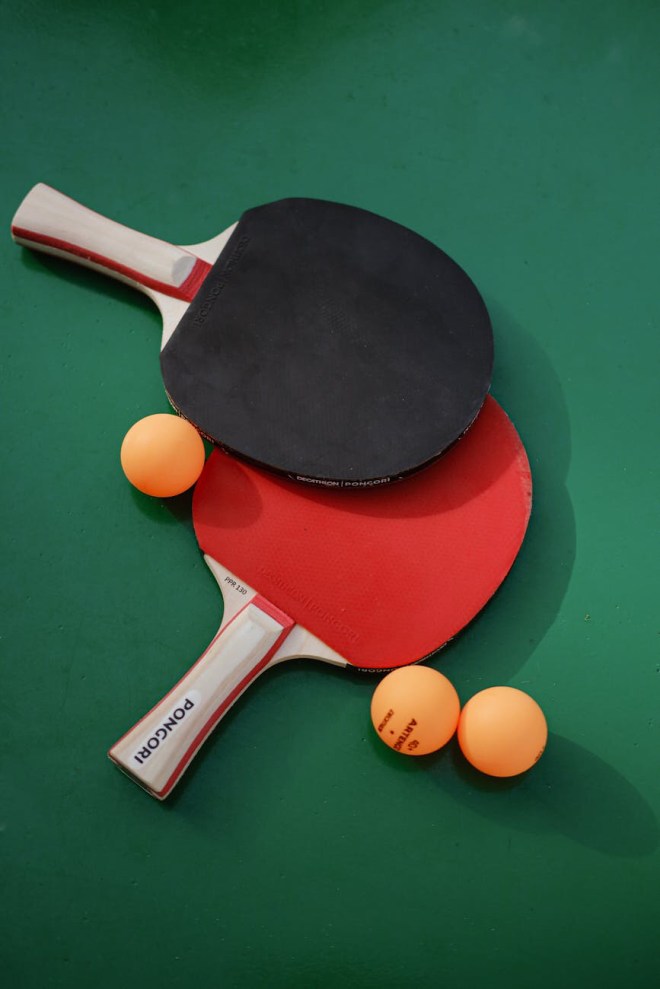
A recent encounter unexpectedly thrust me into the world of verbal ping-pong, where the last word reigns supreme. As I found myself in the midst of a discussion, I suddenly felt like a bystander, amused by the back-and-forth of words. While I presented my arguments, I could only smile and silently contemplate, while my counterpart sought victory and validation. Yet, for me, it held no significance, as I had already grasped so much more.
There’s something fascinating about the final word that captivates people in an almost obsessive manner. It’s like the holy grail of conversations, the ultimate seal on a debate, crowning one as the undisputed champion of the verbal battlefield. But why are some people so fixated on claiming this jewel of conversation?
One of the main reasons could lie in human nature itself – the urge for control. For some, having the last word is a means of maintaining dominance, control over the situation, and steering the course of the conversation. It’s a way of holding the reins, even if it means dragging the dialogue out like a bad TV series.
But that’s just the tip of the iceberg. Another factor could be the relentless pursuit of validation. For some, having the final word is a confirmation of their opinion or stance. By having the last word, they feel validated and supported, as if their standpoint becomes weightier and more relevant. It’s as if they’re saying, “Ha! I have the last word, so I must be right!”
Yet, let’s not forget that the desire for the final word can also have a deep psychological component. Ego, insecurity and the fear of appearing weak often come into play. For some, having the last word is an act of empowerment, a way to boost their ego and mask their insecurities. It’s a way of reassuring themselves that they maintain control and superiority in the discussion.
And then there are those who simply talk too much, oblivious to the world around them. They’re like unstoppable chatter machines, ignoring stop signs and showing no regard for the patience of their listeners. For them, the final word is not just a victory but a means to prolong their monologue to the bitter end, regardless of the fact that no one is listening anymore.
But perhaps the whole drama surrounding the final word is just a game – a mental sport where players vie for supremacy in the arena of words. It’s a dance of rhetoric, where everyone aims to outdo each other with their words and emerge as the victor. Because at the end of the day, it’s not really about who has the final word, but about who proves to be the greater wordsmith.
So, the next time you find yourself embroiled in an endless discussion where no one wants to throw in the towel, remember – it’s not just about the final word, but so much more. It’s a battle for control, validation, and ego, wrapped in a dazzling cloak of words and arguments. And who knows, perhaps the whole confusion about the final word is just another strange characteristic of the fascinating world of human communication.

Das ultimative Duell um das letzte Wort: Warum manche Gespräche nie enden wollen
Ein kürzliches Zusammentreffen brachte mich unerwartet in die Welt des verbalen Ping-Pong-Spiels des letzten Wortes. Während ich mich inmitten einer Diskussion befand, fühlte ich mich plötzlich wie ein Zuschauer, der die Szene von außen betrachtete, belustigt über das hin und her der Worte. Als ich meine Argumente vorbrachte, konnte ich nur lächeln und mir meinen Teil denken, während mein Gegenüber den Sieg und die Bestätigung suchte. Doch für mich hatte das keine Bedeutung, denn ich hatte bereits so vieles mehr verstanden.
Es gibt etwas Faszinierendes am letzten Wort, das Menschen auf eine fast obsessiv-compulsive Art und Weise fasziniert. Es ist wie ein heiliger Gral der Gespräche, das ultimative Siegel auf einer Debatte, das einen als unbestrittenen Champion des verbalen Schlachtsystems krönt. Doch warum sind manche Menschen so besessen davon, dieses Kronjuwel der Konversation zu ergattern?Einer der Hauptgründe könnte in der menschlichen Natur selbst liegen – der Drang nach Kontrolle. Für einige ist das letzte Wort eine Möglichkeit, die Oberhand zu behalten, die Kontrolle über die Situation zu behalten und den Verlauf des Gesprächs zu lenken. Es ist eine Art, die Fäden in der Hand zu behalten, auch wenn es bedeutet, den Dialog in die Länge zu ziehen wie eine schlechte Fernsehserie.
Doch das ist nur die Spitze des Eisbergs. Ein weiterer Faktor könnte der unbändige Wunsch nach Validierung sein. Für manche ist das letzte Wort eine Art Bestätigung ihrer Meinung oder ihres Standpunkts. Indem sie das letzte Wort haben, fühlen sie sich bestätigt und unterstützt, als ob ihr Standpunkt dadurch gewichtiger und relevanter würde. Es ist, als würden sie sagen: “Ha! Ich habe das letzte Wort, also muss ich recht haben!”
Doch lasst uns nicht vergessen, dass das Verlangen nach dem letzten Wort auch eine tiefe psychologische Komponente haben kann. Ego, Unsicherheit und die Angst vor dem Erscheinen von Schwäche spielen oft eine Rolle. Für manche ist das letzte Wort ein Akt der Selbstermächtigung, eine Möglichkeit, ihr Ego zu stärken und ihre Unsicherheiten zu kaschieren. Es ist eine Art, sich selbst zu versichern, dass sie die Kontrolle behalten und in der Diskussion überlegen sind.
Und dann gibt es noch diejenigen, die einfach viel zu viel reden, während sie die Welt um sich herum ausblenden. Sie sind wie unaufhaltsame Redemaschinen, die kein Stopp-Schild erkennen und keine Rücksicht auf die Geduld ihrer Zuhörer nehmen. Für sie ist das letzte Wort nicht nur ein Sieg, sondern eine Möglichkeit, ihren Monolog bis zum Ende durchzuziehen, ungeachtet der Tatsache, dass niemand mehr zuhört.
Aber vielleicht ist das ganze Drama um das letzte Wort auch einfach nur ein Spiel – eine Art geistiger Sport, bei dem die Spieler um die Vorherrschaft in der Arena der Worte kämpfen. Es ist ein Tanz der Rhetorik, bei dem jeder darauf aus ist, den anderen mit seinen Worten zu übertrumpfen und als Sieger hervorzugehen. Denn am Ende des Tages geht es nicht wirklich darum, wer das letzte Wort hat, sondern darum, wer sich als der größere Wortkünstler erweist.
Also, das nächste Mal, wenn du dich in eine endlose Diskussion verwickelt siehst, bei der niemand das Handtuch werfen will, denke daran – es geht nicht nur um das letzte Wort, sondern um so viel mehr. Es ist ein Kampf um Kontrolle, Validierung und Ego, verpackt in einem schillernden Gewand aus Worten und Argumenten. Und wer weiß, vielleicht ist das ganze Durcheinander um das letzte Wort einfach nur ein weiteres seltsames Merkmal der faszinierenden Welt der menschlichen Kommunikation.
Discover more from MurmelMeister
Subscribe to get the latest posts sent to your email.
 MurmelMeister
Gute Beschreibung eines Vorganges den wir oft erleben. mehr denn je. diese Wichtigtuerei, sich in den Vordergrund zu katapultieren, ohne Sinn und nichtssagende Inhalte. Menschen die sich in den Vordergrund drängen, für zu wichtig halten. Unterbrechungen unerwünscht.
LikeLiked by 2 people
Ich danke Dir für Deine lieben Worte… ja, es ist eine dieser Erfahrung. Insbesondere, wenn man gefühlt aus dem eigenen Körper schlüpft, um alles zu beobachten.
LikeLike